
Moisture-Resistant. Paint-Ready. Builder-Approved.
Balancing performance, appearance, and cost with interior trim is always a challenge for builders. Medium-Density Fiberboard (MDF) trim has long been a go-to for its smooth surface, affordability, and workability. But not all MDF is created equal and when moisture is in the mix, the difference becomes clear.
That’s where triple-primed MDF trim steps in. Offering enhanced resistance to humidity and water compared to its unprimed or single-primed counterparts, triple-primed MDF provides a reliable edge in durability and finish quality. Here’s why it’s gaining traction on job sites across Texas.
Moisture Resistance that Goes the Extra Mile
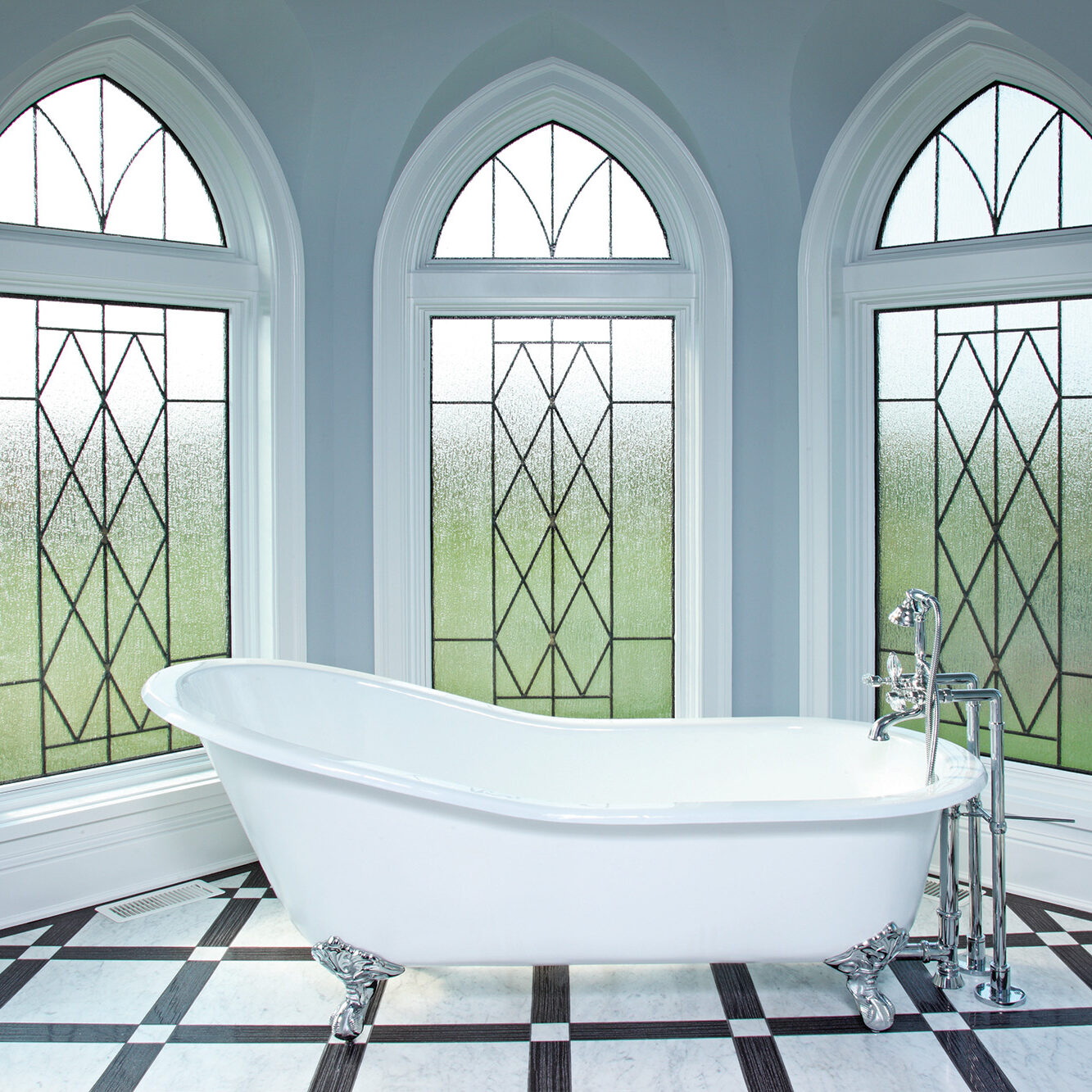
MDF is a highly engineered wood product but by nature, it's still susceptible to absorbing moisture, especially at the edges. This can lead to swelling, warping, and premature failure in trim applications.
Triple-primed MDF features three separate coats of high-quality primer, each layer sealing the surface more completely than the last. The result is a significantly more water-resistant product that performs better in environments with fluctuating humidity, such as:
- Bathrooms and powder rooms
- Kitchens and utility areas
- Laundry and mud rooms
While it’s still not suitable for exterior or fully wet environments, triple-priming gives interior MDF trim a level of confidence builders can trust.
It’s Not Waterproof, But It’s Close Enough for Most Interiors
Let’s clear up a common misconception: triple-primed MDF isn’t waterproof. If you're working in high-saturation zones like shower surrounds or exterior applications, you’ll want to reach for marine-grade plywood or PVC panels instead.
But in spaces where the occasional splash or steam is expected, triple-primed MDF holds up beautifully. Its enhanced resistance makes it a smart, cost-effective upgrade over raw or single-primed MDF, especially when longevity is a top priority.
Paint Like a Pro With Fewer Coats

One of the standout benefits of triple-primed MDF is the paint-ready surface it offers right out of the gate. The multiple primer layers fill in pores and fibers, creating a smooth, uniform base that:
- Improves paint adhesion
- Minimizes bleed-through or blotchiness
- Reduces the number of topcoats required
- Delivers a more professional finish with less effort
For builders aiming to streamline workflow without sacrificing quality, this means faster turnaround and cleaner results.
Built-In Durability for Long-Term Performance
Builders know that trim is more than a finishing detail. It’s a fine-tuned detail and long-term investment in the look and feel of a space. Triple-priming doesn’t just boost aesthetics; it reinforces the MDF against common failures like:
- Cracking and splitting
- Edge swelling
- Paint chipping and flaking
In short, it helps your work look better, longer saving you time on callbacks and increasing client satisfaction.
The Bottom Line
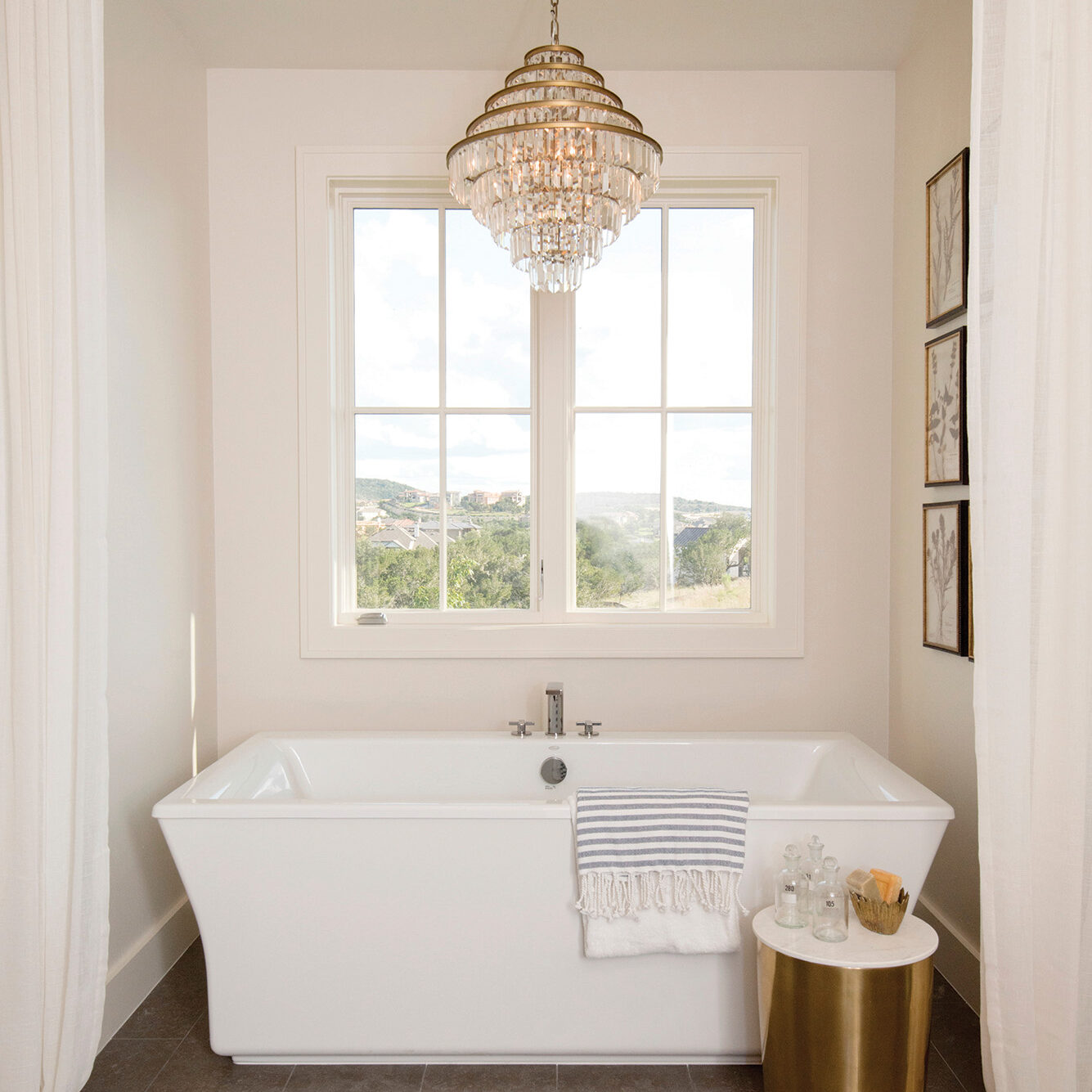
Triple-primed MDF trim isn’t a luxury. It’s a practical upgrade that pays off in performance and appearance. Especially in Texas, where humidity and climate variations can take a toll on traditional materials, triple-primed trim gives builders a better way to deliver lasting quality.
Looking to spec smarter on your next project? Talk to the experts at Texas Door and Trim, your local source for high-performance interior solutions that stand the test of time.